


Understanding the Group Interview Landscape
The landscape of job interviewing is constantly evolving. While one-on-one and panel interviews remain staples, a growing number of companies are leveraging group interviews to gain deeper insights into potential hires. Understanding this format is the first step toward mastering it.
What is a Group Interview and Why is it Used?
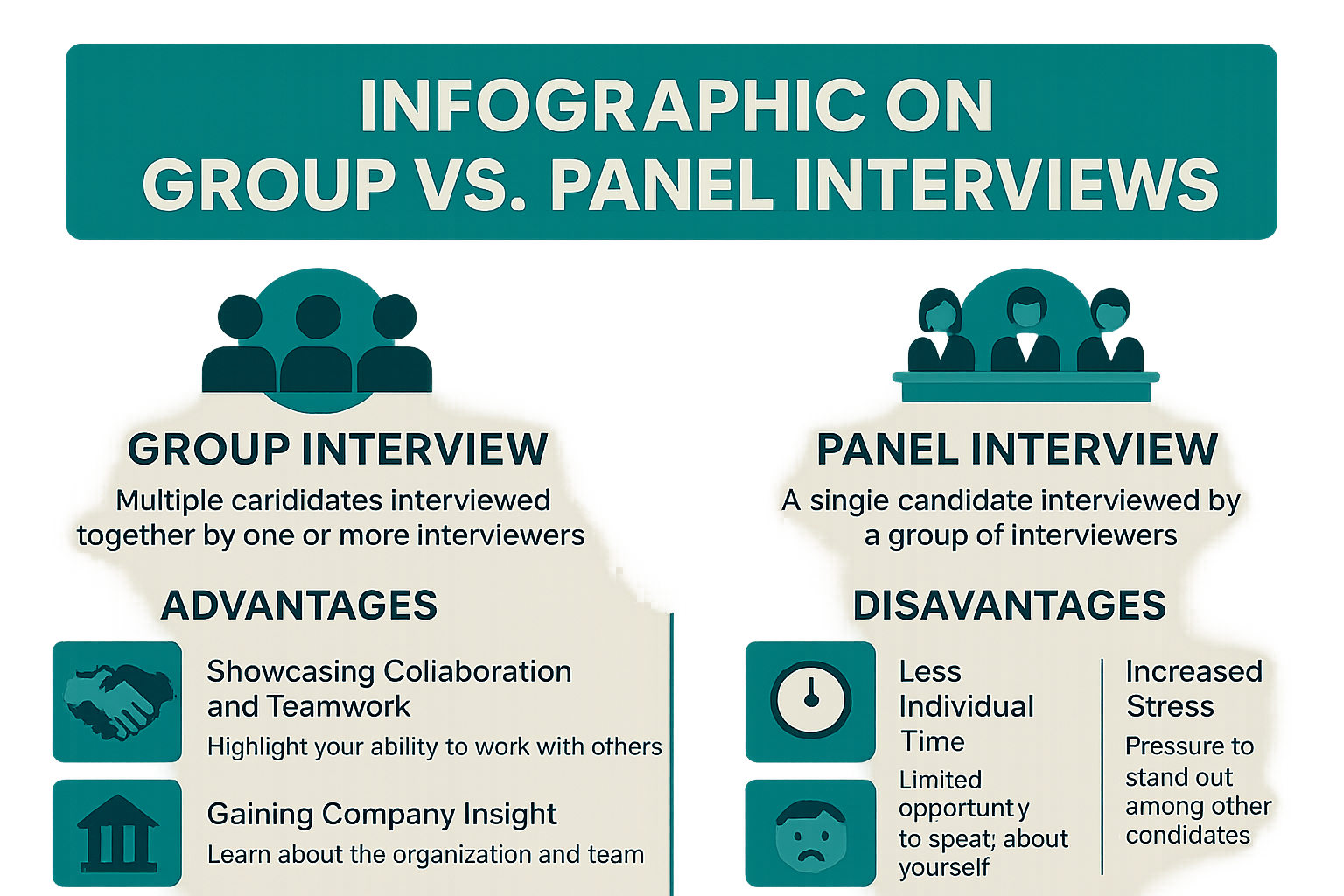
A group interview is a unique hiring format where multiple candidates are interviewed simultaneously by one or more interviewers. This differs significantly from a traditional panel interview, where a single candidate faces numerous interviewers at once. Companies often employ group interviews for various strategic reasons, primarily focusing on efficiency and a more comprehensive assessment of soft skills.
From an employer’s perspective, group interviews are incredibly efficient. Instead of dedicating numerous individual sessions, organizations can conduct multiple interviews with candidates simultaneously, saving significant time and resources. For example, instead of spending 10 hours interviewing 10 candidates individually, a company could spend two hours interviewing them in a group. This efficiency is a major draw, especially when hiring for multiple similar roles, such as in retail, hospitality, or customer service. As SHRM notes, employers use this technique to streamline the hiring process and observe candidate interactions in real-time.
Beyond efficiency, group interviews offer a unique window into a candidate’s interpersonal skills. They are designed to simulate a real-world work environment, allowing interviewers to observe how candidates interact with peers, handle pressure, and contribute to a team. This format helps assess crucial skills, such as teamwork, communication, problem-solving, and leadership potential. Recruiters look for how candidates collaborate, articulate their ideas, and react to others, providing a more dynamic assessment than individual interviews. Workable highlights that these interviews are excellent for gauging a candidate’s ability to be a team player and handle stress. SmartRecruiters further elaborates on the benefits, stating that group interviews allow employers to see how candidates respond to specific situations and interact with others in a competitive yet collaborative setting.
Advantages and Disadvantages for Candidates
For candidates, group interviews present both unique opportunities and distinct challenges.
Advantages:
- Showcasing Collaboration and Teamwork: Unlike individual interviews, where you can only talk about teamwork, a group setting allows you to demonstrate it. You can actively participate in discussions, build on others’ ideas, and show your ability to work constructively within a group.
- Networking Opportunity: You’re in a room with other motivated professionals. This can be a chance to connect with peers who share similar career interests, potentially leading to future networking opportunities.
- Gaining Company Insight: Observing how the interviewers facilitate the group and how other candidates respond can offer valuable insights into the company’s culture and work environment. You get a glimpse of the team dynamics you might be joining.
- Reduced pressure (for some): For candidates who find one-on-one interviews scrutinizing, being part of a group can diffuse some of that direct pressure, allowing them to feel more at ease.
Disadvantages:
- Less Individual Time: With multiple candidates vying for attention, your individual speaking time will be limited. This means you need to make every contribution count.
- Dominant Personalities: The presence of overly assertive or competitive candidates can make it challenging for quieter individuals to contribute effectively. As Seek.com.au points out, personality may be unfairly weighted, with extroverted candidates potentially overshadowing more talented, introverted ones.
- Increased Stress: For some, the competitive atmosphere and the need to constantly be “on” can amplify anxiety. Senior-level, experienced candidates, as highlighted in a Fortune article, might even view group interviews as demeaning or a “cattle call.”
- Difficulty Standing Out: It can be hard to differentiate yourself positively without appearing overly aggressive or self-centered.
Pre-Interview Blueprint: Preparing for a Group Setting
Preparation is paramount for any interview, but it takes on a specific nuance for group settings. Your goal is not just to answer questions well, but to demonstrate your potential as a team member and leader.

The essential preparation steps for a group interview begin long before you enter the room. Thorough research is your first weapon. Go beyond the basic company website; dig into their values, recent news, and company culture. iHire emphasizes that knowing information about the company shows your enthusiasm and competence. Understand the role’s requirements deeply, and if possible, research your interviewers. Knowing their backgrounds can help tailor your responses and questions.
Crafting a Memorable Introduction
Group interviews often kick off with a round of self-introductions. This is your chance to make a strong first impression. Your introduction should be brief, professional, and memorable. Think of it as an “elevator pitch” – concise yet impactful. Include your key strengths, relevant experience that aligns with the role, and genuine enthusiasm for the position and company. Avoid rambling; brevity and confidence are key. iHire’s resource on common interview questions suggests planning your introduction carefully to make a positive impact. The Science of People also advises arriving early to introduce yourself to other participants, thereby setting a collaborative tone from the start.
Common Question Types and How to Answer Them
Group interviews often feature a mix of question types designed to assess both your individual capabilities and your group dynamic skills.
Common Group Interview Questions:
- Icebreakers: “Tell us something unique about yourself,” “What’s your favorite hobby?” (Often used to ease tension and see personality.)
- Situational Questions: “How would you handle X scenario?”, “If you were faced with Y problem, what would your approach be?” (Assess problem-solving and critical thinking.)
- Behavioral Questions: “Describe a time when you demonstrated teamwork/leadership/problem-solving.” (Best answered using the STAR method: Situation, Task, Action, Result). Careerflow.ai’s Apple Behavioral Interview Guide provides excellent examples of how to structure these answers.
- “Who would you hire?” Questions: “Based on what you’ve heard, which other candidate would you hire and why?” (Test observation, diplomacy, and analytical skills.)
- Group Problem-Solving Exercises: These involve a task the group must complete, allowing interviewers to observe roles, communication, and conflict resolution. Workable suggests activities like a LEGO project to assess teamwork.
- Strategic Thinking Questions: “How would you approach a new market entry?” or “What strategic opportunity do you see for our company?” (For more senior roles, these assess foresight and business acumen. Paro.ai offers 50 interview questions about strategy that can help you prepare for such inquiries.)
- Team Management Questions: “How do you handle conflicts within a team?” or “What strategies do you use to motivate your team?” (For leadership roles, these dig into your ability to manage and inspire. Paro.ai also provides a comprehensive list of 50 interview questions about managing a team.)
When answering, interviewers are looking for how you contribute to the overall discussion, not just your individual answer. Be concise, relevant, and thoughtful in your responses. TheDailyMuse.com notes that you may be asked typical interview questions, but also put to the test with problem-solving exercises.
Leveraging Technology for Preparation
Technology can be a powerful ally in your interview preparation. AI mock interview tools, such as those mentioned by Careerflow.ai, enable you to practice answering common questions and receive instant feedback on your delivery, tone, and even body language. These platforms can help you refine your answers, identify areas for improvement, and build confidence before the actual interview. Practicing with AI can simulate the pressure of a real interview, helping you to articulate your thoughts clearly and concisely.
Navigating the Dynamics: Winning Group Interview Strategies
Once you’re in the interview room, it’s essential to navigate the group dynamic effectively. This involves more than just speaking; it’s about how you interact, listen, and present yourself.

Active listening is crucial. Pay close attention to what other candidates say, as well as the interviewers. This allows you to build on their ideas, ask clarifying questions, and demonstrate genuine engagement. Non-verbal cues, such as nodding, maintaining eye contact, and having open body language, signal your attentiveness and professionalism. The Science of People emphasizes that confident body language and even simple gestures, such as nodding and smiling, can create a collaborative atmosphere. TheDailyMuse.com also highlights the importance of using body language to convey engagement, even when not speaking. Remember to be polite and friendly with everyone, including other candidates, as it shows respect and professionalism, as advised by iHire.
Balancing Leadership and Teamwork: Key Group Interview Strategies
This is arguably the most critical aspect of a group interview. Employers want to see that you can take initiative and work effectively in collaboration.
- Taking Initiative: Don’t be afraid to speak up occasionally, especially when addressing questions that align with your strengths. This demonstrates confidence and proactivity. However, avoid dominating the conversation.
- Facilitating Discussion: If the group gets stuck, suggest moving forward. You might say, “Perhaps we should brainstorm a few more ideas before we decide,” or “Let’s ensure everyone has a chance to share their perspective.”
- Supporting Others: Actively build on the ideas of other candidates. You can say, “I agree with [Candidate’s Name]’s point about X, and I’d like to add Y.” This demonstrates that you’re listening and can effectively synthesize information.
- Involving Quiet Members: If someone hasn’t spoken much, politely invite them into the conversation: “What are your thoughts on this, [Candidate’s Name]?” This demonstrates empathy and leadership.
- Be Yourself (Authentically): While you want to showcase your best self, avoid putting on an act that isn’t genuine. iHire suggests being yourself rather than trying to fit into a mold, as authenticity helps determine if you’re a good fit for the company.
- Engage with Everyone: Don’t just focus on the interviewers. Engage with other candidates. TheDailyMuse.com advises not shying away from networking and interacting with others, even before the interview officially begins. This shows you’re a team player and comfortable in a group setting.
- Differentiate Positively: Your goal is to secure a solo interview. To stand out, showcase your unique insights and problem-solving skills without being overly competitive. Enter the room with confidence, as your reaction to the situation is indicative to employers. For more detailed insights, consider exploring resources on Effective group interview strategies.
Handling Disagreements and Difficult Personalities
Group interviews can sometimes involve challenging dynamics, such as disagreements or overly assertive personalities. Your response in these situations is highly scrutinized.
- Stay Calm and Professional: Even if another candidate is rude or aggressive, maintain your composure and professionalism. Do not engage in negativity or personal attacks.
- Respectful Disagreement: It’s perfectly acceptable to disagree with an idea, but do so respectfully. Frame your disagreement by focusing on the idea, not the person. You might say, “That’s an interesting perspective, but I wonder if we might also consider X, because Y.” Provide logical reasoning for your viewpoint. Avoid starting your answer with an apology for interjecting, as TheDailyMuse.com warns that this can hurt your presence.
- Focus on Solutions: If a disagreement arises, steer the conversation back to problem-solving and focus on finding a mutually beneficial solution. “How can we find common ground here?” or “What’s the best way forward for the group?”
- Diplomacy: If someone is dominating the conversation, you can subtly interject by building on their last point and then transitioning to your own. For a shy or introverted person, TheDailyMuse.com suggests ensuring that when you do speak, you do so with purpose.
Asking Insightful Questions to Stand Out
The end of a group interview is your opportunity to ask questions. This isn’t just a formality; it’s an opportunity to showcase your critical thinking, genuine interest, and active listening skills.
- Prepare Questions in Advance: Have a few thoughtful questions ready. These could be related to company culture, team dynamics, or specific challenges associated with the role.
- Show You Listened: Refer back to something discussed during the interview, either by an interviewer or another candidate. “You mentioned earlier about X challenge; how does the team typically approach that?” or “Building on [Candidate’s Name]’s point about Y, how does the company foster continuous learning within its teams?” iHire emphasizes asking the right questions to show you were listening and can dig deeper.
- Inquire About Team Dynamics: Ask about how the team collaborates, how success is measured, or what a typical day looks like.
- Demonstrate Critical Thinking: Ask questions that show you’ve thought deeply about the role and the company’s future. Avoid questions that can be easily answered by a quick search on the company’s website. The Science of People advises asking insightful questions to guide the interview and demonstrate leadership.
Post-Interview Protocol and Common Pitfalls
Your performance doesn’t end when you leave the interview room. The follow-up is a crucial step that can solidify your impression.

Best Practices for Following Up After a Group Interview
- Send a Thank-You Note: Always send a personalized thank-you email to each interviewer within 24 hours.
- Personalization is Key: Reference specific discussions or points you made during the interview. If you had a memorable interaction or contributed a unique idea, weave that into your note.
- Referencing the Discussion: Mention how your skills align with something discussed in the group setting. This demonstrates that you were attentive and can effectively connect your abilities to the company’s needs.
- Timeliness: Prompt follow-up demonstrates professionalism and continued interest.
Common Mistakes and Advanced Group Interview Strategies
While group interviews offer unique opportunities, they also present common pitfalls that can hinder a candidate’s chances.
- Being Too Aggressive: Over-talking others, interrupting, or trying to dominate the conversation is a major red flag. It shows a lack of teamwork and respect.
- Being Too Passive: Sitting silently, not contributing, or waiting to be called upon will make you invisible. Interviewers need to see your engagement.
- Not Participating: Even if you’re shy, you must contribute. As TheDailyMuse.com advises, if it isn’t in your personality to be constantly speaking up, ensure that when you do answer questions or give your opinion, you do so with purpose.
- Ignoring Other Candidates: Failing to acknowledge or engage with other candidates demonstrates a lack of effective interpersonal skills. Remember to be friendly to everyone.
- Poor Body Language: Slouching, avoiding eye contact, or fidgeting can convey disinterest or nervousness. Maintain an open and confident posture.
- Failing to Follow Up: Not sending a thank-you note is a missed opportunity to reinforce your interest and professionalism.
Beyond avoiding these mistakes, remember the basics of interviewing: an appropriate appearance, punctuality, poise, and thorough research will always help you stand out among the crowd of job candidates. iHire’s resource center offers a wealth of free material to help job seekers land their dream positions, providing further tips and tricks for the interview process.
Frequently Asked Questions about Group Interviews
How do I stand out if I’m an introvert?
Being introverted in a group interview can feel like a disadvantage, but it can actually be a strength. Focus on quality over quantity. Instead of speaking often, make your contributions thoughtful, insightful, and purposeful. Active listening is a natural strength for introverts; utilize it to synthesize information and provide well-considered responses that build upon others’ ideas. Showcasing your observation skills and ability to think before speaking can be highly valued by interviewers.
What should I do if another candidate is rude or overly competitive?
Your best strategy is to remain professional and composed. Avoid negativity and refrain from getting drawn into conflict. Focus on your own performance and demonstrate grace under pressure. Continue to be polite and collaborative with other candidates, even if they are not reciprocating. Your calm demeanor and focus on positive contribution will stand out favorably to the interviewers. Lead by positive example.
Is it okay to disagree with another candidate’s idea?
Yes, it is absolutely okay to disagree, but it’s crucial to do so respectfully and constructively. Frame your disagreement as an alternative perspective or a way to build upon an idea, rather than a direct contradiction. For example, you might say, “I appreciate [Candidate’s Name]’s point about X, and I agree with Y, but I also wonder if we could consider Z’s approach because of A benefit.” Provide logical reasoning for your viewpoint and focus on finding the best solution for the group, demonstrating your ability to engage in healthy debate and problem-solving.