
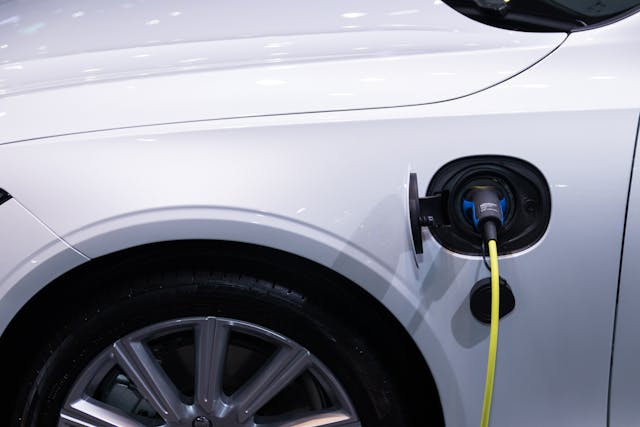

As the automotive industry evolves, drivers see a clear shift toward sustainability, efficiency, and innovation. Hybrid and electric vehicles (EVs) are no longer niche options—they’re becoming mainstream choices for those seeking lower emissions and better fuel economy. Advances in battery technology, charging infrastructure, and government incentives make these vehicles more accessible and practical.
Consumers are increasingly drawn to cars that offer environmental benefits, enhanced performance, and long-term savings. Whether you’re looking to make your next vehicle eco-friendly or are simply curious about the advantages of the latest innovations, learn more about the newest models and technology reshaping the road ahead. This movement marks a significant step toward a cleaner and more connected driving experience.
The Rise of Hybrid Vehicles
Hybrid vehicles have become a key stepping stone in transitioning to cleaner, more efficient transportation. By combining a traditional internal combustion engine with an electric motor, hybrids offer improved fuel economy and reduced emissions without sacrificing performance. This blend of technologies appeals to drivers who want environmental benefits without fully committing to an all-electric vehicle. As more manufacturers expand their hybrid offerings, consumers have a wide range of choices that balance sustainability and convenience. The growing popularity of hybrids reflects a broader shift in consumer preferences, helping pave the way for a future where eco-conscious driving becomes the norm.
Advancements in Electric Vehicles
Progress in battery technology has revolutionized electric vehicles, enabling them to cover 300 miles per charge. Solid-state batteries provide longer ranges and faster charging times. AI improves energy efficiency and driving performance. As manufacturers build more charging stations, barriers to adoption decrease and misconceptions about EV limitations are dispelled, motivating more people to switch.
Government Policies and Incentives
Government policies drive the shift towards cleaner mobility, recognizing low-emission vehicles’ social, health, and environmental benefits. Tax credits, purchase rebates, and regulatory mandates accelerate technology rollout and consumer adoption. The European Union’s ambitious CO2 targets have boosted investments in hybrid and electric platforms, demonstrating the role of legislation in transforming industries towards sustainability.
Consumer Adoption and Market Trends
Consumers worldwide increasingly adopt hybrid and electric vehicles due to environmental and cost-cutting concerns. Affordable financing, media coverage, and rising fuel prices make the switch appealing. China’s growing hybrid market exemplifies this trend. Automakers must innovate to keep up with changing expectations, and positive word-of-mouth accelerates adoption. A growing resale market makes sustainable driving more accessible.
Challenges and Considerations
Despite the strong momentum for electric vehicles (EVs), persistent challenges could slow their adoption. Charging infrastructure must evolve rapidly, especially outside urban centers, and concerns about charging speed, grid capacity, and access remain. The environmental consequences of battery production and disposal are scrutinized, prompting calls for greener materials and responsible supply chains. Efforts are underway to improve the product lifecycle, mine lithium responsibly, and develop sustainable supply chains. Public-private partnerships and R&D investments aim to minimize the environmental footprint.
The Road Ahead
The automotive sector is moving towards a future with electrified, high-performance vehicles becoming standard. Interest in alternative powertrains spans city commuters, outdoor enthusiasts, and commercial fleet operators, attracted by efficiency, lower maintenance, and environmental benefits. As newer hybrid and electric models become more accessible, more people will enjoy low-emission transport. Automakers continually improve features, reliability, and affordability, expanding these benefits globally. This movement democratizes sustainability, fostering innovative designs that benefit people and the planet. In the next decade, increased integration of renewable energy with transport will make eco-friendly driving a routine for millions.